
 By Camille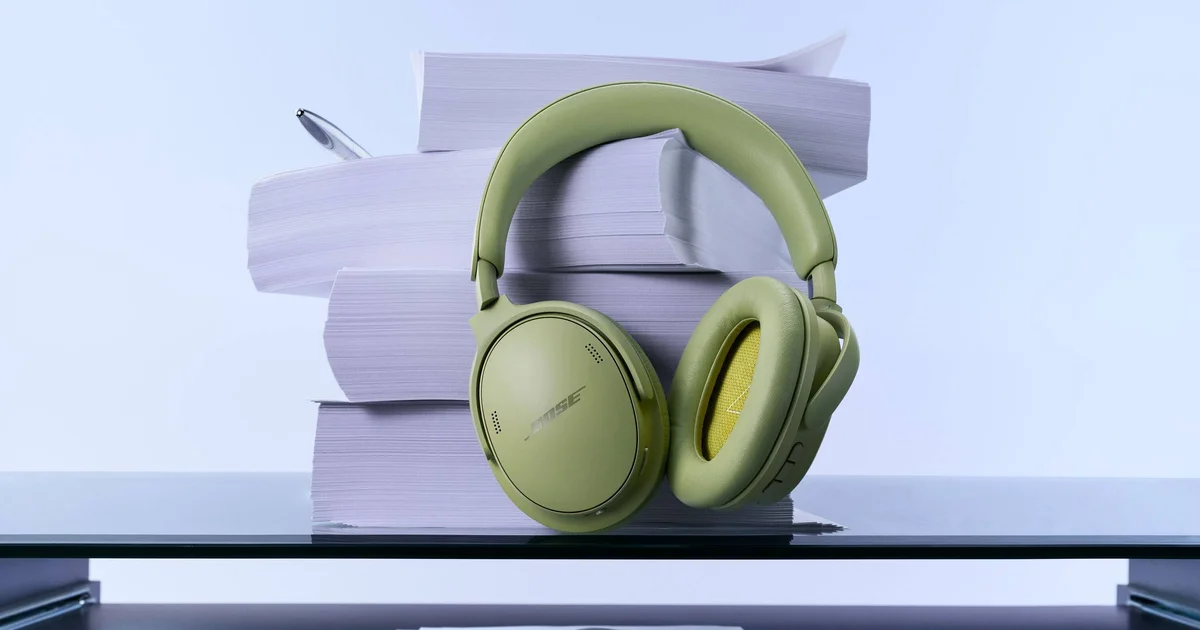
Bose launched the QuietComfort Headphones (2nd Gen) on August 13 after announcing them a week earlier. They sell for $359 in the US, while Bose France currently lists them at €349.95.
The company's second-generation QuietComfort Ultra costs €449.95 in France. That still buys the more premium model, but Bose has moved several previously Ultra-associated features down the range.
Spatial audio is no longer an Ultra-only feature
TrueSpatial brings three Immersive Audio modes to the regular QuietComfort. Still keeps the virtual presentation anchored as the listener moves their head. Motion allows it to follow the listener, while Cinema expands stereo content and places greater emphasis on keeping dialogue centered.
Bose's implementation processes ordinary source material rather than requiring a track or movie encoded in a specific spatial format.
That processing does have a battery cost. Bose quotes 18 hours with Immersive Audio enabled, compared with up to 24 hours under normal use.
USB-C is a bigger everyday upgrade
The first-generation QuietComfort had a USB-C port for charging. The new model can use the connection for audio as well, accepting lossless input at up to 24-bit/48kHz.
It is also bidirectional. A computer can send audio to the headphones while receiving their microphone signal over the same cable, with Bose specifying voice output at up to 24-bit/16kHz. Charging can continue during playback.
Bluetooth moves to version 5.4, multipoint supports two simultaneous source devices, and Android users get Google Fast Pair.
The ANC update is partly about imperfect fit
Bose still uses six microphones, but the new adaptive feedforward controls are designed to compensate more effectively when the earcup seal develops a gap. Glasses, hair and hats are specifically cited by Bose as conditions the system is intended to handle better.
Aware Mode also receives a revised ActiveSense response. Sudden environmental noise can trigger a smoother dose of cancellation without forcing the user to abandon transparency mode completely.
There is now a true ANC-off setting in the Bose app as well. That is different from Aware Mode, where microphones remain active to reproduce environmental sound.
An early independent measurement puts it close to Bose's flagship
SoundGuys published its first full test on August 22. Under its measurement methodology, the QuietComfort Headphones (2nd Gen) reached an average perceived loudness reduction of 85.1% with ANC enabled. The publication's corresponding result for the more expensive QuietComfort Ultra was 87%.
Those numbers belong to one repeatable laboratory methodology rather than a promise that all real-world noises will be reduced by the same percentage. Fit and frequency still matter considerably.
SoundGuys measured the headphones at 230 grams and praised their long-session comfort. It also noted the familiar tradeoff: a lot of plastic keeps the weight down but does not feel as premium as the Ultra construction.
Battery life is the conspicuously unchanged specification
Bose still quotes up to 24 hours of listening, despite the wider feature set. A 15-minute quick charge provides as much as 2.5 hours of playback.
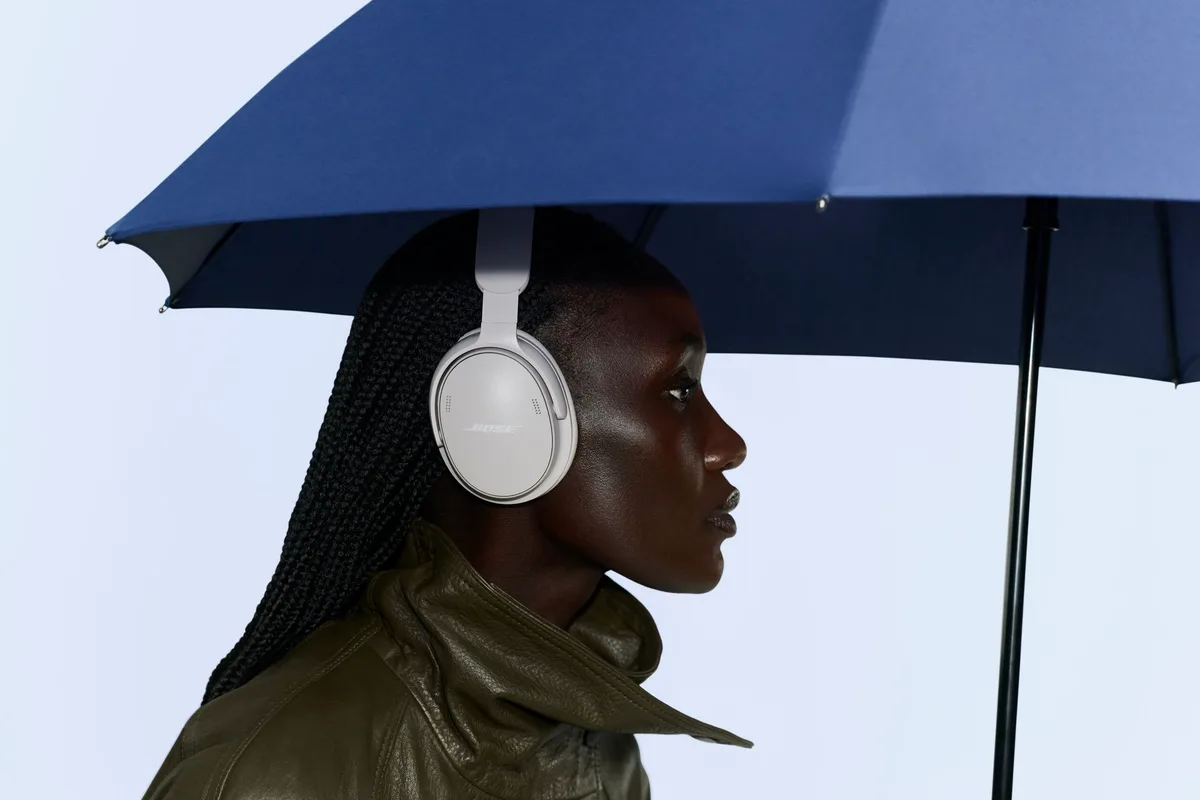
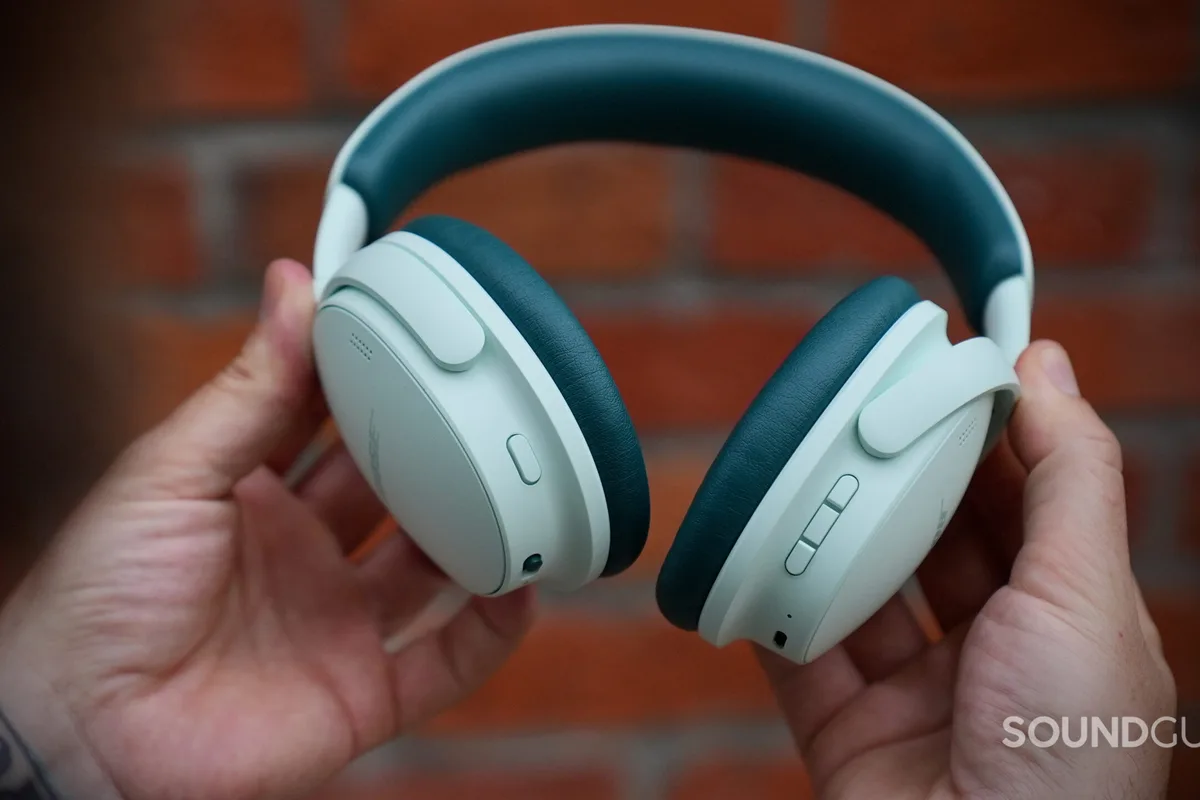
The new headband uses smoother sliding adjustment and more padding, while the earcups have been reshaped into a more oval, pill-like profile. Physical controls remain rather than being replaced with touch gestures.
Black and White Smoke are joined by limited-edition Eucalyptus Green, Dewdrop Mint and Rosewood Mauve. All five are listed by Bose for the second-generation QuietComfort.